
Common Causes of Sewer Main Line Blockages
Local service providers can help clear sewer main line blockages caused by debris, grease buildup, tree roots, or aging pipes to restore proper flow.
Understanding the common causes of sewer main line blockages can help property owners recognize potential issues before they lead to costly repairs or backups. Blockages often develop due to everyday factors such as the buildup of grease, hair, or soap scum, which can accumulate over time and restrict flow within the sewer line. Additionally, tree roots searching for moisture can infiltrate pipes through small cracks or joints, creating stubborn obstructions that require professional removal. Being aware of these typical culprits allows property owners to better maintain their plumbing systems and seek timely assistance from local contractors who specialize in sewer main line clearing services.
For those experiencing slow drains, gurgling sounds, or foul odors, it’s important to consider the underlying causes of sewer line blockages. Local service providers have the experience and equipment needed to diagnose and address issues like debris buildup, invasive roots, or collapsed pipes. Regular inspections and professional clearing can prevent minor problems from escalating into major plumbing emergencies. Exploring these common causes and understanding when to seek expert help empowers property owners to keep their sewer systems functioning smoothly and avoid unnecessary disruptions.
- Sewer Main Line Blockage Clearing - homeowners noticing slow drains or backups may need local contractors to identify and remove blockages caused by debris or buildup.
- Common causes of sewer main line blockages - when tree roots invade pipes or grease accumulates, local service providers use specialized equipment to clear obstructions.
- Sewer Main Line Blockage Clearing - after persistent clogs, local pros can perform thorough inspections and hydro jetting to restore proper flow.
- Common causes of sewer main line blockages - blockages resulting from foreign objects or sediment buildup can be addressed efficiently by experienced local contractors.
- Sewer Main Line Blockage Clearing - regular maintenance or unexpected backups may require local service providers to clear blockages caused by common household debris.
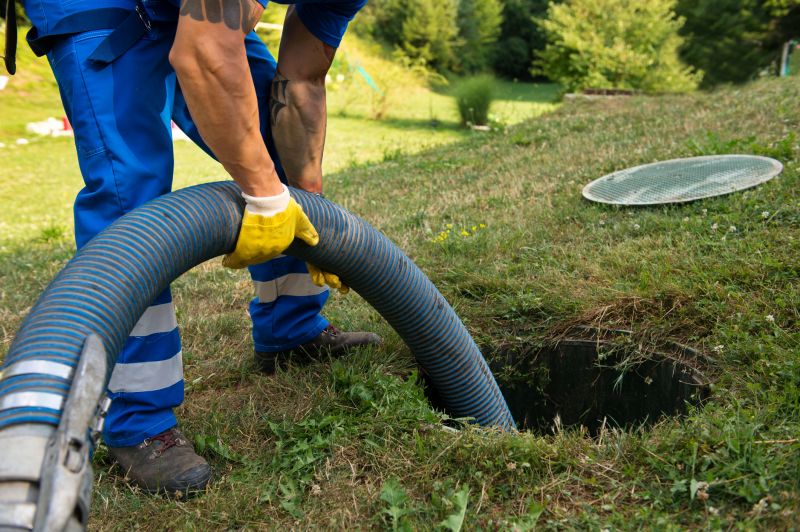
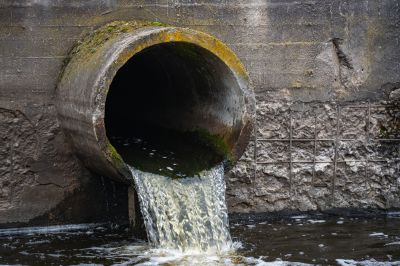
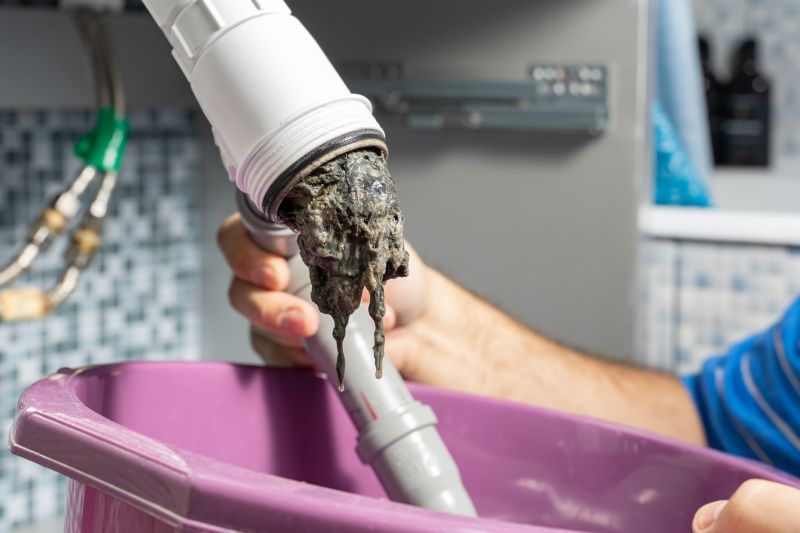
Understanding the common causes of sewer main line blockages is essential for homeowners who want to maintain a properly functioning plumbing system. When people search for this topic, they are often looking to identify why their sewer lines may be clogged or backing up, especially in cases where multiple drains are affected or there is a foul odor emanating from drains. These issues are frequently linked to underlying problems within the main sewer line, which can lead to serious backups if not addressed promptly. Recognizing the root causes helps homeowners better understand what might be happening in their property’s plumbing and when it’s time to seek professional sewer main line clearing services.
The problems associated with sewer main line blockages are typically related to the accumulation of debris, root intrusion, or structural damage within the pipe. Over time, household waste such as grease, hair, soap scum, and foreign objects can build up and restrict flow. In addition, tree roots are a common culprit, especially if they find their way into small cracks or joints in the sewer pipe, causing blockages and potential damage. Structural issues like pipe corrosion, cracks, or collapses can also contribute to persistent clogs. These problems often require specialized equipment and expertise to diagnose and resolve, making the involvement of experienced sewer main line clearing contractors crucial for effective repairs.
Certain types of properties are more prone to sewer main line blockages based on their age, construction, and usage patterns. Older homes with outdated or deteriorating piping are at higher risk for cracks and root intrusion, while properties with mature trees nearby may experience frequent root-related blockages. Commercial buildings with high water usage or heavy waste loads can also face increased chances of sewer line issues due to the volume and types of waste they generate. Additionally, properties with improper disposal habits-such as flushing non-flushable items or pouring grease down drains-can accelerate the buildup of obstructions. For these reasons, property owners should be aware of how their specific circumstances might influence the likelihood of sewer line problems and seek professional help when needed.
When dealing with sewer main line blockages, local contractors who specialize in sewer line clearing play a vital role. They bring the necessary tools and expertise to diagnose the cause of the blockage and perform effective clearing or repairs. Whether it’s using high-pressure water jetting to remove grease and debris, snaking out roots, or conducting camera inspections to identify structural damage, these service providers help restore proper flow and prevent future issues. Homeowners and property managers benefit from understanding the common causes of sewer main line blockages because it enables them to recognize early warning signs and know when to seek professional assistance. This proactive approach can save time, reduce costs, and minimize the inconvenience of sewer backups.
Drain cleaning services involve removing buildup and debris that can cause blockages in sewer lines, similar to addressing common causes of sewer main line blockages.
Pipe repair and replacement projects require planning and skills in handling damaged or collapsed pipes, which can contribute to sewer line obstructions.
Video pipe inspection services utilize camera technology to identify clogs and structural issues within sewer mains, aiding in diagnosing causes of blockages.
Hydro jetting services use high-pressure water to clear stubborn obstructions, often related to buildup from common causes of sewer main line blockages.
Septic system services involve maintenance and repairs that prevent sewer backups, which can be caused by similar blockages in the main sewer line.
Drainage system installation projects require planning and expertise in managing underground piping, relevant to understanding causes of sewer line blockages and preventing them.
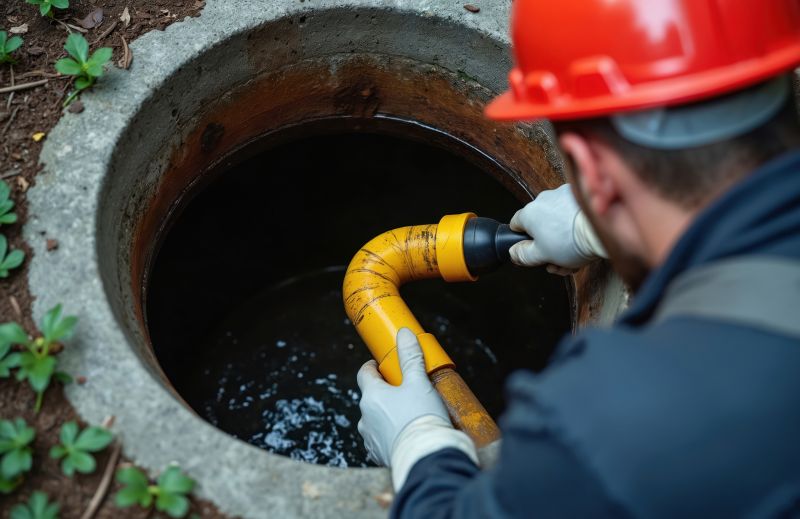
When evaluating local contractors for sewer main line blockage clearing services, it is important to consider their experience with similar projects. A contractor who has handled a variety of sewer issues, including those caused by common factors such as tree root intrusion, grease buildup, or debris accumulation, is more likely to understand the complexities of diagnosing and resolving these problems efficiently. Asking about their past work on sewer main lines can provide insight into their familiarity with different types of blockages and the best methods for clearing them, helping ensure that the chosen service provider has the practical knowledge needed for the job.
Clear written expectations are essential when comparing service providers. Homeowners should seek detailed explanations of what the service involves, including the techniques and equipment used to clear blockages. Understanding what the process entails helps set realistic expectations and ensures transparency. Service providers should be willing to outline the scope of work, potential causes of sewer line issues, and any necessary follow-up steps. This clarity can help prevent misunderstandings and provide confidence that the contractor is committed to delivering a thorough and professional service.
Reputable references and effective communication are key factors when selecting local contractors. Reliable service providers should be able to provide references or examples of previous work that demonstrate their ability to handle sewer main line issues. Good communication throughout the process-such as promptly answering questions and providing updates-can make the experience smoother and more transparent. Homeowners should prioritize contractors who are approachable, responsive, and willing to discuss their methods, ensuring that the chosen professional maintains open lines of communication and fosters trust throughout the project.
Property owners often search for common causes of sewer main line blockages when they are planning practical projects around their homes and businesses. Local pros provide Sewer Main Line Blockage Clearing services for everyday jobs and straightforward project options.
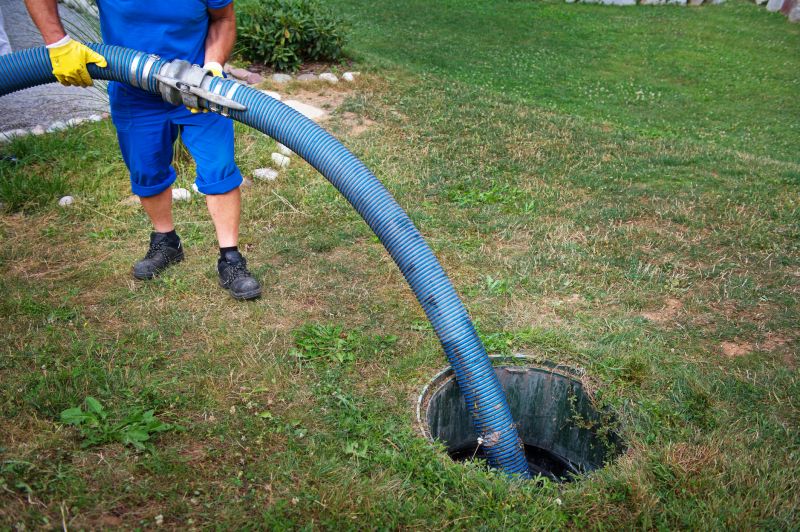
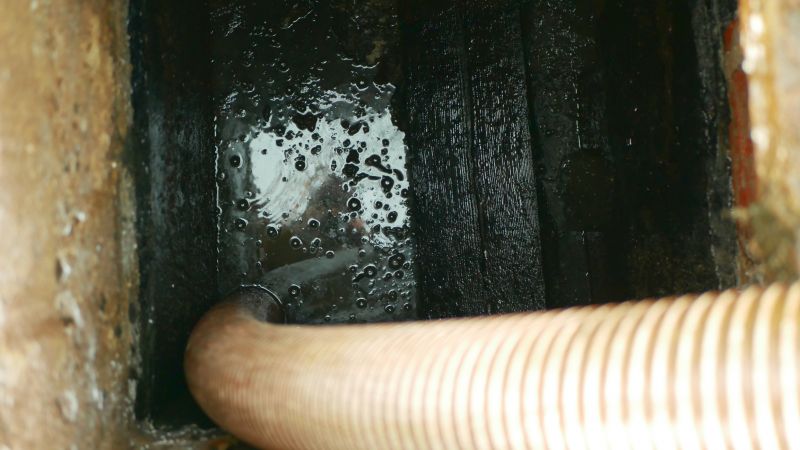
Understanding the common causes of sewer main line blockages can help property owners identify potential issues before they lead to costly repairs. Everyday situations, such as flushing non-degradable items like wipes or sanitary products, can quickly cause buildup and obstruction in the main sewer line. Additionally, the accumulation of grease, oil, and food debris from household drains can solidify and create stubborn blockages over time. Tree roots seeking moisture can also infiltrate underground sewer pipes, causing cracks and clogs that disrupt proper flow. When these issues occur, local contractors who specialize in sewer main line clearing are equipped to diagnose and resolve the problem efficiently.
Property owners in the area might look up this topic to better understand why their drains are slow or backing up, especially after routine activities or heavy use. Blockages caused by debris, grease buildup, or invasive roots are common culprits that can impact the entire plumbing system. Local service providers who offer sewer main line clearing services have the tools and expertise to remove these obstructions and restore normal flow. Recognizing these typical causes can help homeowners and business owners decide when to seek professional assistance to prevent further damage and ensure their sewer lines stay clear.
What are common causes of sewer main line blockages? Common causes include the buildup of grease and fats, tree roots infiltrating pipes, accumulation of debris and foreign objects, and structural damage to the sewer line. Local contractors can identify and resolve these issues to restore proper flow.
How do tree roots cause sewer line blockages? Tree roots seek out moisture and can penetrate small cracks or joints in sewer pipes, leading to clogs and damage. Professional sewer line clearing services can remove roots and repair affected pipes.
Can grease buildup lead to sewer main line blockages? Yes, grease and fats can solidify inside pipes, creating stubborn blockages over time. Local service providers can perform hydro jetting or other methods to clear grease-related obstructions.
What role does debris accumulation play in sewer line blockages? Items like paper products, sanitary wipes, and other debris can accumulate and cause clogs. Experienced contractors use specialized equipment to remove debris and prevent future blockages.
How can structural damage contribute to sewer main line blockages? Cracks, bellies, or collapsed sections in the sewer pipe can trap debris and cause backups. Local pros can assess and repair damaged sewer lines to prevent recurring blockages.
Grease buildup - Property owners can learn to avoid pouring fats and oils down drains to prevent blockages, and seek sewer main line blockage clearing services when grease accumulates.
Foreign objects - Keeping household items like wipes or small debris out of drains helps reduce clogs, with local contractors available to clear obstructions caused by foreign matter.
- Recognizing signs of tree roots infiltrating sewer lines encourages timely inspections and professional clearing to prevent severe blockages.
pipe deterioration - Regular inspections can identify aging pipes that may collapse or crack, allowing local service providers to perform necessary repairs or replacements.
If you are thinking about common causes of sewer main line blockages for a property, this guide is meant to help you understand this topic, the typical project types, and how different options might fit your plans.
When you are ready, you can use the quote form on this page to share a few details about your project. From there, local pros can review the basics and follow up with options that match what you have in mind.